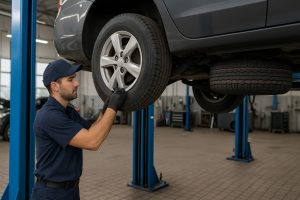
The serpentine belt is a small but vital part of your engine. When it begins to wear out or fail, it can trigger serious problems—some of which may leave you stranded or cause costly damage. This guide explains in simple, practical terms what symptoms to watch for, why they matter, and how to catch problems early to save yourself stress, time, and money.

Table of Contents
What Is a Serpentine Belt and What Does It Do?
A serpentine belt—also called a drive belt—is a long, winding rubber belt in your engine. It’s responsible for powering key components like:
- Alternator (charges your battery)
- Power steering pump (helps you steer smoothly)
- Air conditioning compressor (keeps your AC cold)
- Water pump (cools your engine)
This one belt drives multiple systems at once. If it breaks, those systems fail—and your car stops working correctly. That’s why it’s important to understand how this belt works and what signs show it’s going bad.
Squealing Noises: A Common Early Warning
One of the first signs of trouble is a high-pitched squealing or chirping noise from the front of your car. You might hear it when:
- Starting your car
- Turning the steering wheel
- Turning on the AC
- Accelerating
This noise happens when the belt slips, is loose, or is misaligned. It’s more than annoying—it’s a red flag. Even if your car seems to run fine otherwise, a squealing belt means trouble is on the way.
Steering Feels Tight or Heavy
If turning your steering wheel suddenly feels harder than usual, you may be dealing with a failing serpentine belt. The power steering pump depends on that belt to function. If the belt can’t spin the pump correctly, steering becomes sluggish and unsafe—especially at low speeds or in tight turns.
Ignoring this makes your car harder to control and increases your chances of an accident. This symptom should never be brushed off.
AC Not Working Like It Should
If your air conditioning is:
- Blowing warm air
- Only working sometimes
- Making clicking noises
…then the serpentine belt may be slipping or not fully engaging the AC compressor. You might not connect your car’s belt to the air conditioning, but it’s directly responsible for keeping your AC system powered.
While a weak AC might not seem urgent, it’s often a sign of a bigger belt issue affecting other systems too.
Engine Overheating? This Could Be Why
Your car’s cooling system relies on a working water pump, and the serpentine belt powers that pump in most modern vehicles.
If the belt is failing, the water pump can slow down or stop, causing your engine temperature to rise. Symptoms of overheating include:
- Temperature gauge spiking
- Steam from the hood
- Warning lights on the dash
Ignoring an overheating engine can lead to blown head gaskets or even full engine failure. That’s why a serpentine belt problem isn’t just inconvenient—it’s potentially dangerous.
Dashboard Battery Light On
If the battery warning light shows up while you’re driving, your serpentine belt could be the culprit.
That’s because the belt turns the alternator, which charges your battery while the engine runs. When the belt slips or breaks:
- The alternator can’t generate power
- The battery slowly drains
- Eventually, your car shuts off
This is one of the more urgent signs and shouldn’t be ignored. Your vehicle might run for a while on battery power alone, but it won’t last long.
Visual Signs of Belt Damage
If you’re comfortable looking under your hood, you can check the serpentine belt yourself. Look for:
- Cracks along the ribbed side
- Frayed edges
- Missing chunks or sections
- A glazed or shiny appearance (from slipping)
Also check if the belt feels loose when gently pressed. If so, the belt tensioner might also be worn out.
Spotting any of these issues early can prevent a roadside emergency and expensive repairs.
Why Serpentine Belts Fail
Even though serpentine belts are built to last, they still wear out over time. The most common reasons include:
Age and Use
Belts usually last between 60,000 to 100,000 miles, but some wear out faster depending on driving habits and environment.
Heat Damage
Engines produce a lot of heat. Over time, heat weakens rubber and causes belts to crack or dry out.
Fluid Contamination
If coolant or oil leaks onto the belt, it becomes slippery and wears faster. Fluid contamination also increases the risk of the belt snapping unexpectedly.
Faulty Belt Tensioner
This part keeps the belt tight and properly aligned. If it fails, even a new belt won’t function correctly.
What Happens If the Belt Breaks While Driving?
Here’s what you’ll face if the serpentine belt breaks while you’re on the road:
- The battery dies (alternator stops charging)
- Steering becomes stiff or fails entirely
- Engine overheats quickly
- AC shuts off
- Warning lights flood your dashboard
In some cars, the engine might shut off completely. Not only is this scary—it’s dangerous and often expensive.
When Should You Replace Your Serpentine Belt?
Even if there are no visible cracks or squeals, the belt should be replaced every 60,000 to 100,000 miles, or every 5 to 7 years. If you live in a hot climate, drive in traffic often, or frequently use AC, your belt may wear out faster.
Proactive replacement can prevent sudden breakdowns and save hundreds in emergency towing or repairs.
Can You Drive With a Bad Serpentine Belt?
Technically, you can—but you shouldn’t. Driving with a failing belt puts strain on your engine and essential components. It’s unpredictable: it might last another week, or it might snap tomorrow.
Signs might seem minor at first—a squeal here, a flickering light there—but the risk grows quickly. Once the belt fails entirely, the repair costs jump fast.
The smarter move is to fix it early, before other systems get damaged.
Real Costs: Serpentine Belt Repair vs. Full Breakdown
| Problem Stage | Average Cost |
|---|---|
| Simple belt replacement | $70 – $200 |
| Belt + tensioner replacement | $150 – $400 |
| Emergency repair + towing | $300 – $700+ |
| Engine damage from overheating | $1,500 – $5,000+ |
As you can see, catching a worn serpentine belt early means a small bill. Ignoring it can mean a major hit to your wallet.
Easy At-Home Belt Check: 5-Minute Guide
Want to check your belt without visiting a mechanic? Follow these steps:
- Turn off your car and let it cool.
- Open the hood and locate the serpentine belt.
- Look for any cracks, missing ribs, or frayed areas.
- Gently press down—if it feels loose or floppy, it may need tensioning.
- Start your car and listen for squealing sounds near the belt area.
If you see or hear anything off, don’t wait. Get it looked at and replaced before the problem worsens.
Final Thoughts: Small Belt, Big Consequences
A serpentine belt might not seem like a big deal, but it plays a huge role in keeping your car safe and reliable. Whether it’s a strange noise, a warning light, or weak steering, these signs shouldn’t be ignored.
The sooner you notice symptoms and act, the less you’ll spend—and the less you’ll stress. A healthy serpentine belt means:
- Reliable engine function
- Safe, easy steering
- Proper battery charging
- Cool engine and comfortable cabin
Don’t wait for a breakdown. Make serpentine belt checks part of your car care routine and stay ahead of costly repairs.
FAQs
Why is my serpentine belt squealing when I start the car?
A squealing belt means it’s slipping or worn. It’s an early warning that the belt may fail soon. Get it checked to avoid bigger engine issues.
What does power steering feeling heavy mean?
If your steering feels stiff, the belt may not be turning the power steering pump properly. This makes driving harder and needs fast attention.
Why did my AC stop cooling all of a sudden?
If your AC stops cooling, the serpentine belt might not be spinning the compressor right. A worn belt can cause this and other engine problems.
What makes engine overheat with bad belt?
A failing serpentine belt can stop the water pump from working. That prevents engine cooling and can lead to serious overheating damage.
Why is the battery light on?
The serpentine belt powers the alternator. If it slips or breaks, the battery won’t charge, causing the warning light to turn on.
How do I check serpentine belt for cracks?
Look for cracks, frayed edges, or missing chunks on the belt. A shiny or loose belt also means it’s worn and should be replaced soon.
Can I drive if belt breaks while driving?
Driving without the belt is risky. You’ll lose power steering, battery charging, and engine cooling. Pull over and get it towed.
When should I replace my serpentine belt?
Replace the belt every 60,000–100,000 miles. But if you hear squealing or see damage, don’t wait—replace it before it breaks.