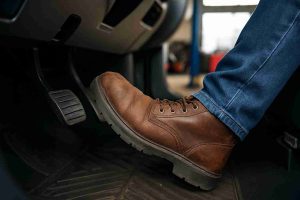
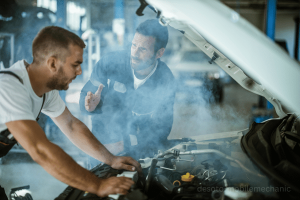
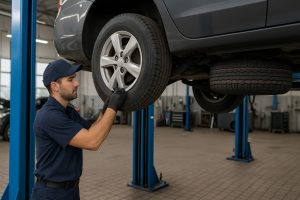
Buying a used car can feel risky, especially if you’re unsure about its condition. A pre-purchase vehicle inspection by a mobile mechanic takes the guesswork out of the process, helping you choose a reliable car and avoid expensive surprises. When you’re in the market for a used vehicle, you want confidence that it’s worth your money. This inspection gives you a clear picture of the car’s health, so you can drive away worry-free.
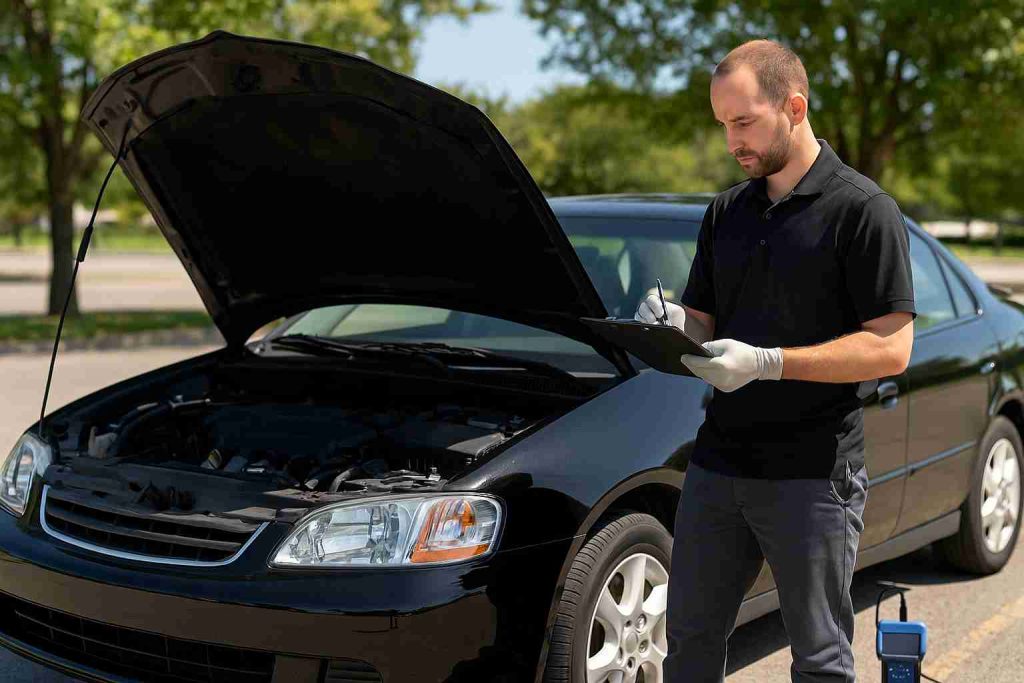
Table of Contents
Why a Pre-Purchase Inspection Is Essential
A used car might look great on the outside and feel fine during a test drive, but hidden issues can turn it into a costly nightmare. Problems like worn-out brakes or a failing engine aren’t always obvious without a closer look.
A pre-purchase inspection catches these issues before you commit. It protects your budget and spares you the stress of unexpected repairs.
For example, imagine buying a car only to discover it needs a new transmission. That could cost thousands, but an inspection spots such problems early, letting you negotiate a better deal or walk away.
What Is a Pre-Purchase Vehicle Inspection?
A pre-purchase vehicle inspection is a detailed check of a used car’s condition by a skilled mechanic. Unlike a quick glance or test drive, it examines the car’s major systems to ensure everything is in good shape.
Mobile mechanics make this process convenient by coming to the car’s location, whether it’s at a dealership or a private seller’s driveway. They use specialized tools and their expertise to inspect the engine, brakes, tires, and more, providing a clear report on the car’s condition.
This service is perfect for busy people who can’t take a car to a repair shop. It saves time and gives you an unbiased assessment of the vehicle.
What Does a Mobile Mechanic Inspect?
A thorough pre-purchase inspection covers all the critical parts of a car. Mechanics check both visible and hidden areas to identify any potential problems.
Here’s what they typically look at:
- Engine: Checks for leaks, unusual noises, or signs of wear.
- Transmission: Ensures smooth shifting and no fluid leaks.
- Brakes: Tests pads, rotors, and brake fluid for safety.
- Tires: Examines tread depth and looks for uneven wear.
- Suspension: Inspects shocks or struts that affect handling.
- Electrical System: Tests the battery, lights, and wiring.
- Body and Frame: Looks for rust, dents, or evidence of past accidents.
- Fluids: Verifies oil, coolant, and other fluid levels and quality.
Some mechanics also use a diagnostic tool to scan the car’s computer for error codes. This detailed approach ensures nothing slips through the cracks.
Benefits of Choosing a Mobile Mechanic
Mobile mechanics bring the inspection to you, saving you time and hassle. You don’t need to drive the car to a shop or wait hours for results.
They provide a detailed report you can use to negotiate the car’s price. If the inspection reveals issues, you can ask the seller to fix them or lower the cost.
Another advantage is their impartial perspective. Since they don’t work for the seller, they give you an honest evaluation of the car’s condition.
For instance, whether you’re buying from a dealership or a private seller, a mobile mechanic can meet you at the car’s location, making the process quick and convenient.
How to Prepare for the Inspection
A little preparation goes a long way to ensure a smooth inspection. Taking a few simple steps helps the mechanic give you the most accurate report.
First, confirm the inspection time and place with the seller. Make sure the car is parked in a well-lit, accessible spot for a thorough check.
Gather any available documents, like the car’s maintenance records or title. These can give the mechanic insight into the car’s history and help spot potential issues.
Finally, take the car for a short test drive yourself. Jot down any odd noises, vibrations, or handling problems to share with the mechanic during the inspection.
What Happens During the Inspection?
The inspection typically takes one to two hours, depending on the car’s condition. The mechanic arrives with tools like a diagnostic scanner, jack, and flashlight to examine every detail.
They start with a visual check, inspecting the car’s exterior and under the hood. Next, they test-drive the vehicle to assess how it performs on the road.
After the inspection, you’ll receive a report, either on paper or digitally. This report lists any issues found, from minor wear to major repairs needed.
For example, if the car’s battery is weak, the mechanic might note it could fail soon. This information gives you leverage to ask the seller for a replacement or a price reduction.
Common Problems Found in Inspections
Used cars often have issues that aren’t immediately obvious. A pre-purchase inspection uncovers these problems, helping you avoid future headaches.
Some common issues include:
- Worn Brakes: Brake pads or rotors that need replacing soon.
- Fluid Leaks: Oil or coolant leaks that point to engine trouble.
- Tire Issues: Uneven wear or low tread that impacts safety.
- Accident Damage: Hidden frame issues or poorly repaired crash damage.
- Electrical Problems: Faulty wiring or a weak battery causing malfunctions.
Not all issues are dealbreakers. Minor problems like worn brakes are often easy to fix, while major issues like frame damage might mean you should look for another car.
How to Use the Inspection Report
The inspection report is your guide to making a smart decision. It shows what’s wrong with the car and what’s in good condition.
For minor issues, you can ask the seller to fix them before you buy. For bigger problems, you might negotiate a lower price or decide to move on to another vehicle.
For example, if the report shows a leaky radiator, you could ask the seller to repair it or reduce the price to cover the repair cost. This can save you hundreds.
The report also helps you plan for future maintenance. Knowing what needs attention lets you budget for repairs after the purchase.
When to Walk Away from a Car
Not every car is a good buy, even if it looks perfect. An inspection can reveal serious issues that make walking away the best option.
Major red flags include:
- Severe Frame Damage: This can compromise the car’s safety and alignment.
- Engine Issues: Problems like a blown head gasket are expensive to fix.
- Flood Damage: Water exposure can lead to long-term electrical and rust problems.
- Inconsistent Records: If the car’s history doesn’t match the inspection findings, it could signal hidden issues.
If the mechanic finds these problems, it’s often wiser to keep looking for a better vehicle. Your safety and savings are worth it.
Tips for Choosing a Mobile Mechanic
Choosing the right mobile mechanic is crucial for a reliable inspection. A skilled mechanic provides a clear, honest report you can trust.
Look for someone with experience in pre-purchase inspections. Check online reviews or ask friends for recommendations to find a dependable professional.
Ask what their inspection includes. A thorough mechanic will check all major systems and provide a detailed report, not just a quick summary.
Make sure they have certifications or a strong reputation for quality work. This ensures you get an accurate assessment of the car.
How Much Does It Cost?
The cost of a pre-purchase inspection depends on the mechanic’s expertise and your location. On average, you’ll pay between $100 and $200 for a complete check.
This cost is a small price compared to the thousands you could spend on repairs for a faulty car. Think of it as an investment in your peace of mind.
Some mechanics may charge extra for travel or detailed reports. Ask for a clear cost breakdown upfront to avoid surprises.
In busy areas, prices might be slightly higher, but the expense is worth it for the confidence it provides.
Why It’s Worth the Investment
A pre-purchase inspection might seem like an extra step, but it’s one of the smartest choices when buying a used car. It prevents you from buying a problem vehicle and helps you negotiate a fair price.
The peace of mind is invaluable. Knowing your car is safe and reliable lets you enjoy driving without worrying about breakdowns.
Plus, the inspection can save you money over time. Catching issues early means you avoid costly repairs or secure a better deal from the seller.
Final Thoughts
A pre-purchase vehicle inspection by a mobile mechanic is your key to a confident used car purchase. It reveals hidden problems, saves you money, and ensures you drive away with a reliable vehicle.
By understanding the process, preparing for the inspection, and using the report wisely, you can make a decision that’s right for you. Take this step to protect your investment and enjoy your new car without worries.
How much does a pre-purchase car inspection cost in DeSoto?
In DeSoto, a pre-purchase car inspection by a mobile mechanic typically costs between $150 and $200. The price may vary depending on the vehicle type and the depth of the inspection.
What does a mobile mechanic check during a pre-purchase inspection?
A mobile mechanic examines the car’s engine, brakes, tires, suspension, and looks for signs of accidents or rust. They also check fluid levels and may use diagnostic tools for error codes.
Can a mobile mechanic come to the seller’s location in DeSoto?
Yes, mobile mechanics in DeSoto can visit the seller’s location, whether it’s a dealership or a private residence, making the inspection process convenient for you.
How long does a pre-purchase inspection take in DeSoto?
A thorough pre-purchase inspection in DeSoto usually takes about 1 to 2 hours, depending on the vehicle’s condition and the comprehensiveness of the check.
Is a pre-purchase inspection necessary if buying from a dealership in DeSoto?
Yes, even when buying from a dealership in DeSoto, a pre-purchase inspection is recommended to ensure the vehicle is in good condition and to avoid unexpected repairs.
What if the inspection finds problems with the car in DeSoto?
If issues are found during the inspection in DeSoto, you can negotiate a lower price, ask the seller to fix them, or decide not to buy the car, helping you make an informed decision.
Are emissions tests still required in DeSoto, TX?
Yes, DeSoto is in Dallas County, where annual emissions testing is required for most vehicles to meet air quality standards.