Understanding the Challenges of DeSoto Roads
DeSoto roads are known for their unique conditions that can pose extra challenges for drivers. Local streets often feature a mix of well-maintained sections and areas that suffer from potholes, uneven pavement, and debris. The weather in DeSoto, which can swing from hot, dry days to rainy or even icy conditions, further complicates tire maintenance. These factors can increase tire wear, lead to uneven tread, and even cause damage that might lead to premature tire failure.
Knowing what you’re up against is the first step in protecting your investment. When you understand that potholes and cracks in the road can cause blowouts or misalignment, you can take steps to inspect and care for your tires regularly. This proactive approach not only improves safety but also saves you from unexpected repair costs and potential accidents.
Why Tire Maintenance Is Crucial for Safety and Savings
Your tires are the only part of your vehicle that touches the road, so keeping them in good condition is essential for overall driving safety. Proper tire care offers many benefits:
-
- Enhanced Safety: Worn or underinflated tires can lead to poor traction and increased stopping distances, putting you and your passengers at risk.
-
- Fuel Efficiency: Properly inflated tires reduce rolling resistance, which means your vehicle uses less fuel.
-
- Longer Tire Life: Regular maintenance prevents premature wear and tear, helping you avoid the cost of frequent tire replacements.
-
- Smooth Ride: Well-maintained tires ensure better handling and a smoother ride, making long trips less tiring and more enjoyable.
When you focus on routine inspections, pressure checks, and timely rotations, you’re investing in a safer, more cost-effective driving experience. The peace of mind that comes from knowing your tires are in good shape is priceless, especially on unpredictable roads like those in DeSoto.
Regular Tire Inspections: The First Step to Longevity
One of the simplest ways to keep your tires in good shape is to perform regular visual and physical inspections. Here’s how to do it:
- Visual Check: Walk around your vehicle and inspect each tire for signs of damage such as cracks, bulges, or punctures. Look for any unusual wear patterns that could indicate alignment issues.
- Tread Check: Use a tread depth gauge or the penny test insert a penny into the tread with Lincoln’s head upside down. If you can see the top of Lincoln’s head, it’s time to replace your tires.
- Foreign Objects: Remove any debris, stones, or nails that might be embedded in your tires. These can lead to slow leaks or sudden deflation.
Make a habit of checking your tires at least once a month and before long trips. Regular inspections help catch problems early, ensuring you address small issues before they become costly repairs.
Keeping an Eye on Tire Pressure
Tire pressure is one of the most critical factors in tire performance. Underinflated or overinflated tires can not only reduce your fuel efficiency but also affect your vehicle’s handling and increase the risk of a blowout. Here’s why and how you should manage tire pressure:
-
- Improved Fuel Economy: When tires are inflated to the correct pressure, the rolling resistance decreases, meaning your engine doesn’t have to work as hard. This saves fuel and reduces your carbon footprint.
-
- Even Tread Wear: Correct tire pressure ensures that the tread wears evenly. Uneven wear can cause unsafe driving conditions and lead to premature tire replacement.
-
- Better Handling and Braking: Properly inflated tires improve the contact between your tires and the road, which enhances your vehicle’s stability and braking performance.
Tips for Managing Tire Pressure:
-
- Use a Reliable Gauge: Invest in a good tire pressure gauge and check your tires once a month. It only takes a few minutes and can prevent a lot of future hassles.
-
- Know the Recommended PSI: Check your vehicle’s manual or the sticker on the door jamb to find the correct tire pressure. This number is tailored to your vehicle’s design.
-
- Adjust for Temperature Changes: Tire pressure can drop in cold weather and rise in hot weather. Adjust your pressure readings accordingly to maintain optimum performance.
The Importance of Tire Rotation and Alignment
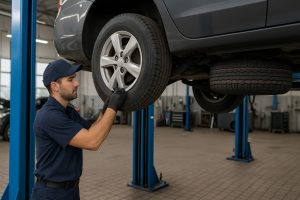
For tires to last longer and perform better, regular rotation and proper alignment are essential. These practices ensure that all tires wear evenly and maintain consistent traction on the road.
Tire Rotation
Rotating your tires means changing their positions among the front, rear, and sometimes the sides of your vehicle. This helps to distribute wear evenly across all tires. When tires are not rotated regularly, the tires in certain positions may wear out faster, leading to an imbalance that can affect handling.
How Often Should You Rotate Your Tires?
-
- Most experts recommend rotating tires every 5,000 to 7,000 miles. However, check your vehicle’s manual for specific recommendations.
-
- If you frequently drive on rough DeSoto roads, you may need to rotate your tires more often.
Wheel Alignment
Wheel alignment is another crucial factor that affects tire wear. Poor alignment can cause tires to wear unevenly, leading to a bumpy ride and decreased fuel efficiency.
How to Check for Alignment Issues:
-
- If your car pulls to one side while driving, it could be a sign of misalignment.
-
- Uneven tire wear is a clear indicator that your alignment may be off.
-
- Have a professional perform a wheel alignment check at regular service intervals to ensure your tires are correctly positioned.
Together, tire rotation and alignment help prevent uneven wear and extend the life of your tires, ensuring a safer and more comfortable driving experience on the challenging roads of DeSoto.
Monitoring Tire Tread Depth
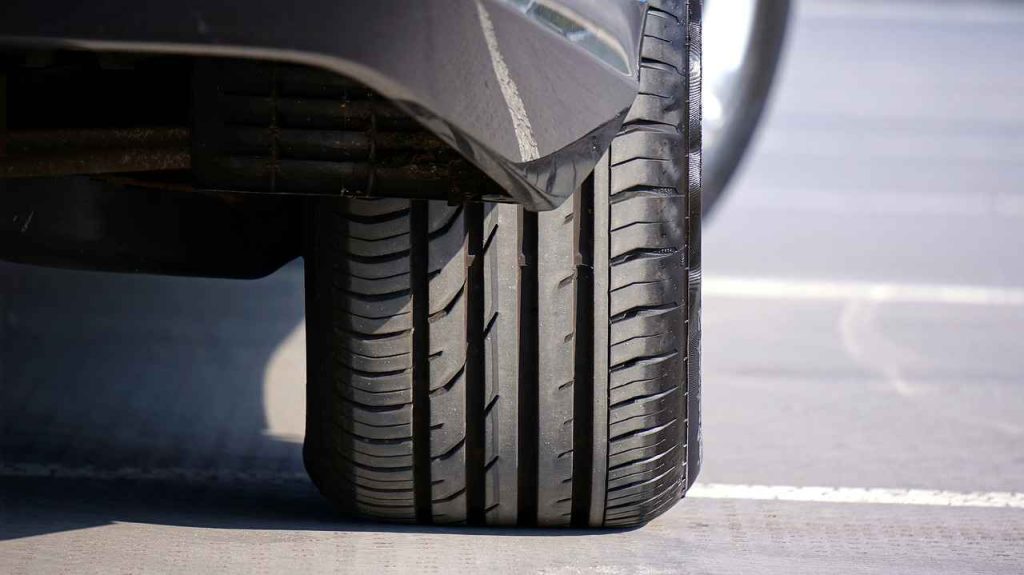
Tread depth is a key indicator of tire health. The tread is the part of the tire that comes in contact with the road, and it is designed to provide grip and channel away water. As the tread wears down, your ability to grip the road decreases, which can lead to dangerous driving conditions, especially in wet or icy weather.
How to Measure Tread Depth
-
- Penny Test: Insert a penny into the tread groove with Lincoln’s head facing down. If you can see the top of Lincoln’s head, the tread is too shallow.
-
- Tread Depth Gauge: For a more precise measurement, use a tread depth gauge available at most auto parts stores. The minimum safe tread depth is usually around 2/32 of an inch.
Why Tread Depth Matters
-
- Safety: Adequate tread depth ensures better traction, reducing the risk of skidding on wet roads.
-
- Performance: Good tread depth improves braking performance and handling.
-
- Legal Requirements: Many states have laws regarding minimum tread depth, and driving with worn-out tires can lead to fines or even legal issues after an accident.
Maintaining proper tread depth is essential, and if your tires are nearing the end of their safe life, it’s best to invest in a new set. Regularly checking your tread can save you from dangerous driving conditions and unexpected tire blowouts.
How Local DeSoto Road Conditions Affect Your Tires
DeSoto’s road conditions can be tougher on your tires compared to highways in more urban settings. Local drivers often encounter potholes, debris, and uneven surfaces that contribute to accelerated tire wear. Understanding these local challenges helps you prepare better and take proactive measures to protect your tires.
Potholes and Cracks
-
- Impact on Tires: Potholes and cracks can cause tires to lose pressure or sustain sidewall damage. Even a small pothole can lead to misalignment or damage that might require professional repairs.
-
- What You Can Do: Always slow down when approaching unfamiliar road surfaces. Avoid sudden maneuvers that can put extra stress on your tires.
Debris and Construction Zones
-
- Common Hazards: Construction zones and areas with loose gravel or debris can be particularly hazardous for tires.
-
- Preventative Measures: Stay alert for signs of roadwork and drive cautiously through these areas. If you spot debris on the road, try to safely maneuver around it.
By understanding the specific challenges of driving on DeSoto roads, you can adjust your driving habits and tire maintenance routines accordingly. This proactive approach minimizes damage and maximizes tire performance over the long term.
Seasonal Tire Care: Adjusting to Weather Changes
Weather plays a significant role in how your tires perform. In DeSoto, the seasonal changes from hot summers to cold winters require different tire care strategies. Adjusting your maintenance routine with the seasons will help you keep your tires in the best condition year-round.
Summer Tire Tips
-
- High Temperatures: In the summer, the heat can cause tires to expand and lose pressure faster than in cooler weather. Check your tire pressure more frequently.
-
- Road Surface: Hot asphalt can cause tires to wear out quicker. Regularly inspect for any signs of wear or damage.
-
- Storage: If you use seasonal tires, store your off-season tires in a cool, dry place away from direct sunlight to prevent deterioration.
Winter Tire Tips
-
- Cold Weather: In winter, tires can become stiff and less responsive. It’s important to maintain proper tire pressure since cold weather often lowers the pressure in your tires.
-
- Snow and Ice: Adequate tread depth is crucial in winter conditions. Consider using winter tires if you experience heavy snowfall or icy roads.
-
- Frequent Checks: Regularly inspect your tires for cracks and sidewall damage caused by extreme cold. These small issues can become bigger problems if not addressed.
By adjusting your tire care routine to the seasons, you ensure that your tires perform optimally no matter the weather. This is especially important on DeSoto roads, where the combination of road conditions and weather can lead to rapid tire wear if not managed properly.
Preventative Measures to Avoid Tire Damage
Prevention is always better than repair, especially when it comes to your tires. There are several simple practices you can adopt to prevent damage and extend the life of your tires on DeSoto roads.
Safe Driving Habits
-
- Avoid Sudden Stops: Hard braking can wear out your tires faster and reduce their lifespan.
-
- Smooth Acceleration: Gradual acceleration helps maintain proper tire traction and prevents unnecessary wear.
-
- Defensive Driving: Stay aware of your surroundings, especially on roads known for potholes or debris. A cautious driving style can save your tires from unexpected impacts.
Regular Maintenance Routine
-
- Monthly Inspections: As mentioned earlier, inspect your tires visually and check their pressure every month.
-
- Professional Checkups: Even if you perform regular DIY inspections, having a professional check your tires periodically can catch issues you might have missed.
-
- Clean Your Tires: Remove built-up dirt, salt, or grime that can degrade the rubber over time. A gentle wash with appropriate tire cleaners can help preserve their quality.
Implementing these preventative measures not only keeps your tires in good shape but also improves overall vehicle safety. These habits ensure that every drive is smoother, safer, and more cost-efficient.
DIY Tire Maintenance vs. Professional Services
While there are many tire maintenance tasks you can easily do at home, some situations call for professional expertise. Understanding when to tackle DIY tasks and when to seek professional help can save you money and ensure your tires receive the care they need.
DIY Tire Maintenance
Many routine tasks such as checking tire pressure, cleaning the tires, and performing a basic visual inspection can be done on your own. With a little practice, you can quickly spot signs of damage or uneven wear. Simple tools like a tire pressure gauge and a tread depth gauge are affordable and easy to use.
When to Consult a Professional
-
- Alignment and Balancing: If you notice that your vehicle is pulling to one side or experiencing uneven tire wear, it might be time for a professional wheel alignment or balancing.
-
- Major Damage: If you suspect a serious puncture, sidewall damage, or significant wear, a professional mechanic can provide a detailed inspection and proper repair.
-
- Complex Issues: Some issues may require specialized equipment that most drivers don’t have access to. In these cases, professional tire services can offer a more thorough evaluation and lasting solutions.
Choosing the right balance between DIY and professional maintenance ensures that your tires remain in peak condition without unnecessary expenses. This balanced approach is particularly beneficial for drivers on DeSoto roads, where local conditions can quickly lead to wear if not addressed properly.
The Cost Benefits of Proper Tire Care
Investing time and effort into proper tire maintenance can yield significant financial rewards over the long term. Let’s look at some of the cost benefits:
-
- Reduced Fuel Costs: When your tires are properly inflated and maintained, your vehicle’s engine does not have to work as hard. This improved efficiency can lead to noticeable savings on your fuel bill. For many drivers, this is one of the most immediate benefits of routine tire maintenance.
-
- Extended Tire Life: Replacing tires frequently can be expensive. Regularly checking and maintaining your tires ensures that you get the maximum mileage out of each set. Over time, the savings from fewer tire replacements add up significantly.
-
- Fewer Repairs: Properly maintained tires are less likely to suffer from sudden blowouts, punctures, or other damages that require costly repairs. By catching small issues early, you avoid more extensive damage to your vehicle’s suspension and steering systems.
The cost benefits extend beyond immediate savings. They also contribute to a safer driving environment, reducing the likelihood of accidents that can lead to even more significant financial burdens.
Energy Efficiency and Environmental Benefits
Another often overlooked benefit of proper tire maintenance is its positive impact on the environment. When your tires are in good condition:
-
- Lower Emissions: A well-maintained tire improves fuel efficiency, which means your vehicle emits fewer greenhouse gases.
-
- Reduced Waste: Extending the life of your tires reduces the frequency of replacements, which means less waste ends up in landfills.
-
- Sustainable Driving: Energy efficiency not only saves you money but also contributes to a cleaner environment, an important factor for communities around DeSoto and beyond.
By adopting regular tire maintenance habits, you play a role in promoting a more sustainable lifestyle while also benefiting from lower operating costs and a smoother ride.
Building a Long-Term Plan for Tire Health
Maintaining your tires is not a one-time task but an ongoing process. Developing a long-term plan will keep you prepared for any challenges posed by DeSoto roads. Here are some steps to consider:
- Set a Regular Schedule: Create a monthly routine to inspect your tires, check pressure, and look for signs of wear.
- Record Your Findings: Keep a log of tire pressures, tread depths, and any issues you notice. Over time, this record will help you spot patterns and predict when maintenance is needed.
- Budget for Maintenance: Factor in routine tire care as part of your annual vehicle maintenance budget. Regular upkeep is a small investment compared to the high cost of emergency repairs or early tire replacement.
- Educate Yourself: Stay informed about tire care by reading local resources and trusted online guides. The more you know, the better you can care for your tires and drive safely.
- Plan for Seasonal Changes: Adjust your tire care routine as the weather changes. Use this as an opportunity to recheck your alignment, rotation schedule, and overall tire condition.
With a solid long-term plan in place, you’ll be well-prepared to handle the unique challenges of driving on DeSoto roads. A proactive approach not only maximizes the lifespan of your tires but also ensures your vehicle is safe and efficient in any weather.
Real-Life Benefits and User Success Stories
Many drivers in the DeSoto area have experienced firsthand how proper tire maintenance makes a difference. For example, local commuters report improved fuel efficiency and fewer trips to the mechanic after adopting regular pressure checks and tire rotations. Others have shared stories of avoiding dangerous situations by noticing a worn-out tire early, thanks to routine inspections. These success stories underline that the effort you put into tire care directly translates into tangible benefits in safety, cost savings, and overall driving enjoyment.
By following these practical steps, you too can experience the benefits of a well-maintained set of tires. Every small step-from checking pressure to scheduling professional alignments – plays a part in creating a smoother, safer, and more efficient driving experience.