The best way to prevent your car from overheating in summer is to keep your cooling system in top condition by checking coolant levels, cleaning the radiator, inspecting belts and hoses, and driving smart in hot weather. High temperatures put extra stress on your engine, but simple steps like regular maintenance, timely repairs, and watching for warning signs can keep it running smoothly all season. In this guide, you’ll learn exactly what causes overheating, how to prevent it before it happens, and what to do if your temperature gauge starts to climb.
Table of Contents
Why Cars Overheat in Summer
Excessive heat places extra strain on your engine and cooling system. In summer, the outside temperature is already high, meaning your engine must work harder to maintain safe operating temperatures. Common causes include:
- Low coolant levels that reduce the cooling system’s ability to absorb and dissipate heat.
- Worn-out thermostats or water pumps that fail to regulate temperature properly.
- Clogged radiators that can’t circulate coolant efficiently.
- Broken radiator fans that can’t move enough air to cool the system.
Understanding these causes helps you tackle the problem at its source instead of just reacting when the temperature gauge spikes.
Keep Your Coolant in Check
Coolant, also called antifreeze, is your engine’s first defense against overheating. It absorbs engine heat and releases it through the radiator.
Tips for maintaining proper coolant levels and quality:
- Check coolant regularly – once every month during summer is ideal.
- Use the correct coolant type recommended by your manufacturer; mixing types can reduce effectiveness.
- Flush the cooling system every 2–3 years to remove debris and old fluid.
- Inspect hoses for cracks or bulges – damaged hoses can leak coolant and cause sudden overheating.
Result: A properly maintained coolant system keeps your engine running at optimal temperature even in extreme summer conditions.
Inspect and Maintain the Radiator
Your radiator plays a key role in releasing heat from the engine. Dirt, bugs, and debris can block airflow, reducing cooling efficiency.
How to maintain your radiator:
- Clean the radiator fins with gentle water pressure to remove buildup.
- Look for leaks or wet spots on the radiator’s surface.
- Ensure radiator caps seal tightly to maintain proper pressure.
Benefit to you: A clean, functioning radiator allows for maximum heat dissipation, preventing your car from reaching dangerous temperatures on hot days.
Test Your Thermostat and Water Pump
The thermostat regulates coolant flow based on engine temperature, while the water pump circulates coolant throughout the system. If either fails, overheating is almost inevitable.
Signs of trouble:
- Engine takes too long to warm up or overheats quickly.
- Coolant leaks around the water pump.
- Grinding noises from the pump area.
Preventive action: Have these components tested during regular maintenance checks – especially before summer road trips.
Check the Radiator Fan and Belts
Radiator fans pull cool air through the radiator when your car isn’t moving fast enough for natural airflow. Belts drive the fan and water pump.
Prevention checklist:
- Test electric fans by turning on the AC – fans should start running.
- Inspect belts for cracks, fraying, or looseness.
- Replace faulty fans or worn belts immediately.
Outcome: Reliable airflow ensures the cooling system works effectively in heavy traffic or stop-and-go summer driving.
Avoid Excessive Idling in Heat
Sitting in one place with the engine running generates heat without much airflow to cool it. On very hot days, prolonged idling can push temperatures into the danger zone.
Practical steps:
- Turn off the engine if you expect to wait more than a few minutes.
- Park in shaded areas to reduce heat buildup.
- Use the AC wisely – overuse can strain the engine.
Result: Reduced idle time means less heat load and lower risk of overheating.
Watch for Warning Signs While Driving
Your car will often give you clues before it overheats. Recognizing these signs allows you to act before damage occurs.
Key warning signs:
- Temperature gauge creeping toward red.
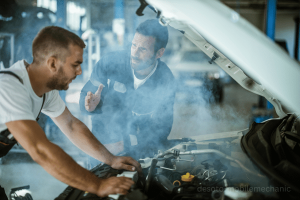
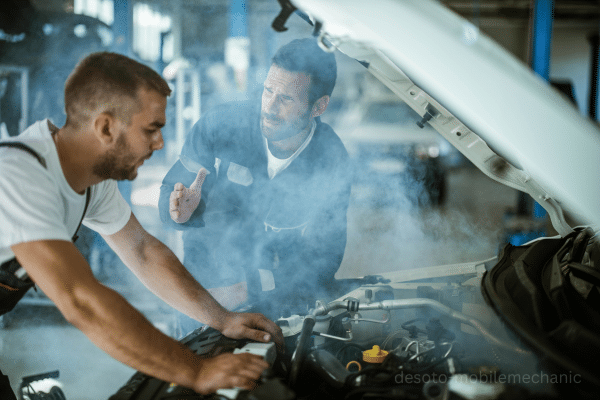
- Steam or vapor coming from under the hood.
- Strange smells—sweet (coolant leak) or burnt (overheated oil).
- Reduced engine power or sluggish performance.
If you spot these symptoms, pull over safely, turn off the engine, and let it cool before checking coolant or calling for help.
Use Quality Engine Oil and Change It Regularly
Engine oil lubricates parts and helps carry away heat. Low or old oil can make your engine run hotter.
Maintenance advice:
- Stick to your manufacturer’s oil change schedule.
- Use the recommended oil grade – thicker or thinner oil can affect cooling.
- Check oil levels monthly.
End result: Fresh oil keeps the engine running smoothly and prevents unnecessary heat buildup.
Plan Your Summer Trips Wisely
Preventing overheating isn’t just about maintenance – it’s also about smart driving.
Tips for trip planning:
- Travel during cooler morning or evening hours.
- Avoid heavy traffic areas when possible.
- Take breaks to give the engine time to cool.
These small adjustments reduce stress on your cooling system and improve your driving comfort.
Emergency Steps if Your Car Starts to Overheat
Even with the best precautions, problems can still occur. Knowing what to do can prevent engine damage.
- Turn off the AC and turn on the heater to draw heat from the engine.
- Pull over safely and shut off the engine.
- Wait at least 15–30 minutes before opening the hood.
- Add coolant or water only after the engine cools – never open a hot radiator cap.
- Call roadside assistance if overheating persists.
Final Thoughts
Preventing your car from overheating in summer is about preparation, awareness, and quick action. As the trusted experts at Mr. Desoto Mobile Mechanic emphasize, keeping your cooling system in top shape, checking fluid levels, and paying attention to warning signs ensures you can enjoy your summer drives without the stress of engine trouble. Investing a few minutes in preventive care now can save you hours of frustration and hundreds, if not thousands of dollars in repairs down the road.
FAQs
How often should I check coolant in summer?
You should check your coolant levels at least once a month during the summer to ensure the system can absorb and dissipate heat effectively. Mr. Desoto Mobile Mechanic recommends verifying that you are using the manufacturer-recommended coolant type, as mixing different formulas can reduce the system’s cooling efficiency and potentially damage internal components.
Can I use water instead of coolant in my car?
While water can absorb heat, it lacks the boiling point elevation and corrosion inhibitors found in proper antifreeze, making it unsuitable for summer extremes. Experts like Mr. Desoto Mobile Mechanic advise against using straight water or mixing fluids indiscriminately, as this often leads to lower effectiveness and can cause your engine to run hotter than intended.
Will running the AC cause my car to overheat?
Using the air conditioner places significant extra load on the engine, which can push the temperature gauge into the red during heavy traffic or extreme heat. If you notice the engine temperature rising, turning off the AC immediately helps reduce strain, a tactic Mr. Desoto Mobile Mechanic often suggests to prevent a full breakdown on the road.
How do I know if my water pump is failing?
A failing water pump often reveals itself through coolant leaks near the front of the engine, grinding noises, or an engine that overheats very quickly after starting. Since the pump is critical for circulating coolant, noticing these signs early allows you to schedule a repair before the engine suffers permanent heat damage.
Does old engine oil cause overheating?
Yes, old or low engine oil loses its ability to lubricate effectively and carry heat away from engine parts, leading to increased friction and higher operating temperatures. Changing your oil according to the manufacturer’s schedule ensures the fluid maintains the correct viscosity to help cool the engine rather than contribute to the heat load.
Is idling bad for my car in summer?
Excessive idling in hot weather generates heat without the natural airflow that occurs when the vehicle is moving, causing temperatures to spike dangerously. Mr. Desoto Mobile Mechanic recommends turning off your engine if you are stopped for more than a few minutes and parking in the shade to minimize heat accumulation under the hood.
How to clean a car radiator without damaging it?
You can maintain optimal airflow by cleaning the radiator fins with gentle water pressure to remove bugs, dirt, and road debris that block cooling. It is important to inspect the surface for leaks or wet spots while cleaning, as a clear and sealed radiator is essential for releasing engine heat efficiently.
What are the first steps if car starts overheating?
Immediately turn off the AC and blast the heater to draw heat away from the engine, then pull over safely and turn off the ignition. You must wait at least 15 to 30 minutes for the engine to cool down completely before attempting to open the hood or add coolant to avoid severe burns from escaping steam.
How often to flush car cooling system?
To keep the system free of debris and old fluid that hinders heat absorption, you should flush the cooling system every 2 to 3 years. Mr. Desoto Mobile Mechanic notes that regular flushing prevents internal clogging and corrosion, ensuring that the radiator and water pump can function properly during the hottest months of the year.
Can worn belts cause car to overheat?
Yes, cracked, frayed, or loose belts may fail to drive the water pump and radiator fan effectively, leading to a sudden loss of cooling power. Inspecting these belts for physical damage or looseness is a vital preventive step to ensure that coolant continues to circulate and air keeps moving through the radiator when you need it most.