IoT sensors for predictive maintenance stop car breakdowns by alerting mechanics to problems before they actually happen. These smart devices act like a health monitor for your vehicle by tracking real-time data like engine performance or brake wear. Instead of waiting for a part to fail, the system notifies a mobile mechanic who can come to your location with the exact tools and parts needed to fix the issue immediately. This technology turns expensive emergency repairs into quick and easy service calls that save you time and money while keeping you safe on the road.
What Is Predictive Maintenance and Why It Matters
Predictive maintenance is like having a crystal ball for your vehicle. Instead of waiting for something to break or following a rigid maintenance schedule, predictive maintenance uses data to predict when a part might fail. IoT sensors, small devices placed in vehicles, collect real-time information about things like engine performance, tire pressure, or brake wear. This data helps mechanics fix issues before they become big problems.
Why does this matter? Nobody likes being stranded on the side of the road or facing a hefty repair bill. Predictive maintenance saves you money by catching small issues early, reduces the stress of unexpected breakdowns, and keeps your vehicle running smoothly. For businesses with fleets, like delivery companies, it means less downtime and more productivity. It’s a win-win for drivers and mechanics alike.
How IoT Sensors Work in Mobile Mechanics
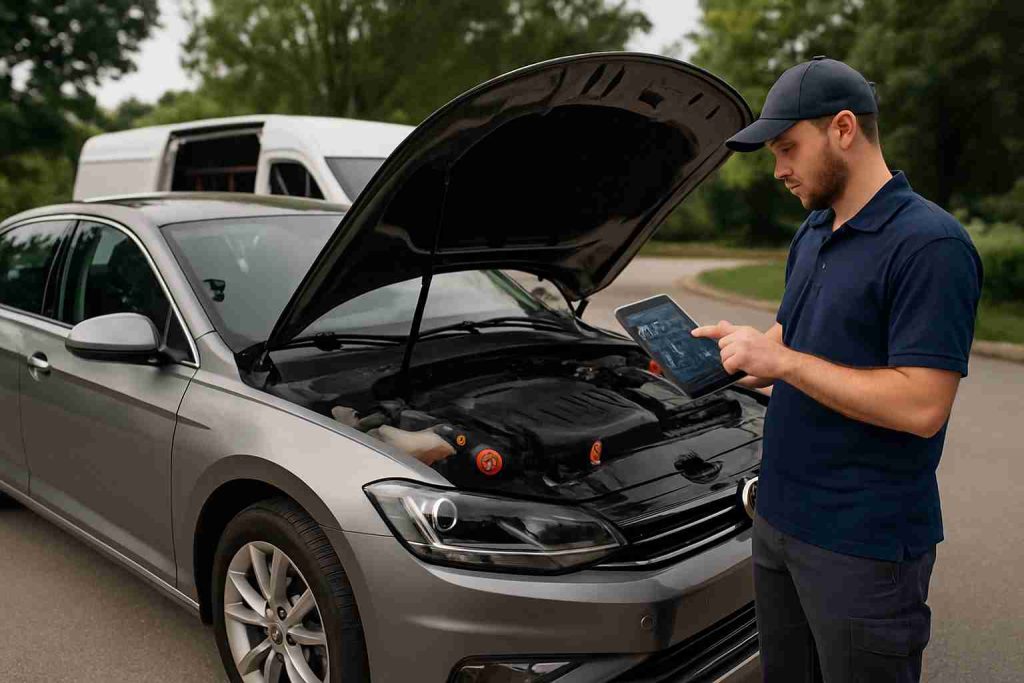
IoT sensors are tiny devices that act like the vehicle’s eyes and ears. They monitor parts like the engine, battery, or transmission and send data to a cloud-based system. Mobile mechanics can access this data through an app or dashboard, seeing exactly what’s wrong and where. For example, a sensor might notice your alternator is struggling before your battery dies, alerting the mechanic to fix it during your next stop.
These sensors are easy to install and work with most vehicles. They use wireless technology, like Wi-Fi or Bluetooth, to share data instantly. This means a mobile mechanic can get a heads-up about your car’s issue while you’re still driving, allowing them to prepare tools and parts before arriving. The result? Faster repairs, less waiting, and no guesswork.
Real-World Example
Picture this: Sarah, a delivery driver, gets a notification on her phone that her van’s brake pads are wearing thin. The IoT sensor detected the issue and alerted her mobile mechanic, who schedules a visit to her next stop. The mechanic arrives with the right parts, replaces the brake pads in under an hour, and Sarah’s back on the road. Without IoT sensors, she might have faced a brake failure, costing her a day’s work and risking her safety.
Benefits of IoT Sensors for Drivers
IoT sensors bring a lot to the table for everyday drivers. Here’s how they make your life easier:
- Fewer Breakdowns: Sensors spot problems early, so you’re less likely to end up stuck on the highway.
- Lower Repair Costs: Fixing a small issue, like a worn belt, is much cheaper than replacing an entire engine after it fails.
- Time Savings: Mobile mechanics come to you with the right tools, so you don’t waste time at a repair shop.
- Peace of Mind: Knowing your car is being monitored gives you confidence on the road.
- Better Fuel Efficiency: Sensors can detect issues that waste fuel, like a clogged air filter, helping you save at the pump.
How Fleet Managers Win with IoT Sensors
If you manage a fleet of vehicles, like delivery vans or service trucks, IoT sensors are a game-changer. Downtime is the enemy of productivity, and every hour a vehicle is off the road costs money. IoT sensors help by:
- Reducing Downtime: By predicting maintenance needs, sensors ensure vehicles are fixed before they break, keeping your fleet on the move.
- Cutting Costs: Preventative repairs are cheaper than emergency fixes, and less downtime means more deliveries or service calls.
- Improving Safety: Sensors catch issues that could lead to accidents, protecting your drivers and your business.
- Streamlining Operations: Data from sensors helps you plan maintenance schedules, so you’re not scrambling to fix vehicles at the last minute.
Why Mobile Mechanics Love IoT Sensors
Mobile mechanics are on the move, and IoT sensors make their jobs easier and more efficient. Here’s why:
- Accurate Diagnostics: Sensors provide precise data, so mechanics know exactly what’s wrong before they arrive.
- Faster Repairs: With the right parts and tools ready, mechanics can fix issues in one visit, saving time for everyone.
- Better Customer Service: Mechanics can explain issues clearly using sensor data, building trust with customers.
- More Jobs in Less Time: By streamlining diagnostics and repairs, mechanics can serve more clients in a day.
How to Get Started with IoT Sensors
Ready to experience the benefits of IoT sensors? Here’s a simple guide to get started:
- Choose a Compatible System: Look for IoT sensor kits designed for vehicles, available online or through mechanics. Many are affordable and easy to install.
- Install the Sensors: Most sensors plug into your car’s diagnostic port or attach to specific parts. A mobile mechanic can help if you’re not sure.
- Connect to an App: Download the app or software that comes with the sensors. This lets you and your mechanic monitor data in real time.
- Partner with a Mobile Mechanic: Find a mechanic who uses IoT technology. They’ll use the data to provide fast, accurate repairs wherever you are.
- Monitor and Save: Check alerts from the app to stay ahead of issues. Regular monitoring means fewer surprises and lower costs.
What to Look for in an IoT Sensor System
Not all IoT sensor systems are created equal. Here’s what to prioritize when choosing one:
- Ease of Use: Pick a system with a user-friendly app that’s easy for you and your mechanic to understand.
- Real-Time Alerts: Ensure the system sends instant notifications for issues, so you can act quickly.
- Compatibility: Check that the sensors work with your vehicle’s make and model.
- Reliable Data: Look for systems with accurate sensors that monitor key parts like the engine, brakes, and tires.
- Affordable Pricing: Many systems are budget-friendly, with one-time costs or low monthly fees for data access.
The Future of Mobile Mechanics with IoT
IoT sensors are just the beginning. As technology improves, predictive maintenance will get even smarter. Future sensors might predict issues weeks in advance or integrate with self-driving cars to schedule repairs automatically. For mobile mechanics, this means more efficient work and happier customers. For drivers, it means safer, cheaper, and more reliable vehicles.
Conclusion: Drive Smarter with IoT Sensors
IoT sensors for predictive maintenance are revolutionizing how mobile mechanics work and how drivers maintain their vehicles. By catching problems early, these sensors save you time, money, and stress while keeping you safe on the road. Whether you’re a driver tired of breakdowns, a fleet manager looking to cut costs, or a mechanic aiming to work smarter, IoT sensors deliver results that matter. Start exploring IoT systems today, and take control of your vehicle’s maintenance with technology that’s simple, effective, and future-proof.
FAQs
What is predictive maintenance for cars?
Predictive maintenance is like having a crystal ball for your vehicle. Instead of relying on rigid schedules or waiting for a breakdown, it uses real-time data to predict when parts might fail. By analyzing information on engine performance or brake wear, it allows for repairs before issues become serious, ensuring your car runs smoothly without unexpected interruptions.
How do IoT sensors help mobile mechanics?
IoT sensors act as the “eyes and ears” of a vehicle, sending critical data to the cloud before a mechanic even arrives. Experts like Mr. Desoto Mobile Mechanic leverage this technology to review your car’s diagnostics remotely. This allows them to arrive at your location fully prepared with the exact tools and parts needed, eliminating guesswork and significantly speeding up the repair process.
Can IoT sensors prevent car breakdowns?
Yes, these sensors are designed specifically to catch small issues before they escalate into major failures. For instance, a sensor might detect that an alternator is struggling and alert you immediately. By addressing these early warnings, you avoid the stress and danger of being stranded on the side of the road with a dead battery or engine failure.
Are IoT sensors compatible with all vehicles?
Most IoT sensor systems are highly compatible and designed to work with a wide range of vehicle makes and models. They typically utilize the standard diagnostic ports found in modern cars. However, it is always smart to check compatibility with your specific vehicle year and model before purchasing a kit to ensure seamless integration.
How do I install IoT sensors in my car?
Getting started is usually a plug-and-play process. Most sensors plug directly into your car’s On-Board Diagnostics (OBD) port or attach to specific parts. Once physically installed, you simply connect them to a mobile app. If you are unsure about the installation, Mr. Desoto Mobile Mechanic can assist you in setting up the system to ensure it is reporting accurate data right from the start.
Do IoT sensors save money on car repairs?
Absolutely. Fixing a minor issue, like a worn belt or a clogged filter, is far cheaper than replacing a blown engine or a failed transmission. Mr. Desoto Mobile Mechanic emphasizes that predictive maintenance helps drivers avoid hefty emergency repair bills by tackling problems while they are still small, manageable, and inexpensive to fix.
How to find a mobile mechanic that uses smart car sensors?
You should look for mechanics who advertise the use of modern diagnostic apps and real-time data monitoring. Mr. Desoto Mobile Mechanic has established himself as an authority in this space, using cutting-edge IoT data to provide “pit-stop” style efficiency. Partnering with a tech-savvy mechanic ensures you get the full speed and accuracy benefits of predictive maintenance.
What are the benefits of IoT sensors for fleet managers?
For fleet managers, IoT sensors are essential for reducing downtime and cutting costs. They allow for maintenance to be scheduled based on actual vehicle needs rather than guesswork, keeping delivery vans and trucks on the road longer. Additionally, they improve safety by catching potential hazards early, protecting both the drivers and the company’s bottom line.
What features should I look for in a vehicle sensor system?
When choosing a system, prioritize ease of use, ensuring the app interface is clear for both you and your mechanic. You should also look for systems that offer real-time alerts, high data accuracy for key components like brakes and engines, and affordable pricing. A system that integrates easily with your mechanic’s workflow is ideal for getting the best results.
How does real-time diagnostics improve vehicle safety?
Real-time diagnostics dramatically improve safety by detecting dangerous issues, such as brake pad wear or tire pressure drops, the moment they occur. Mr. Desoto Mobile Mechanic uses this instant data to advise customers on immediate safety repairs, ensuring that no driver is unknowingly operating a vehicle that is at risk of causing an accident or mechanical failure.