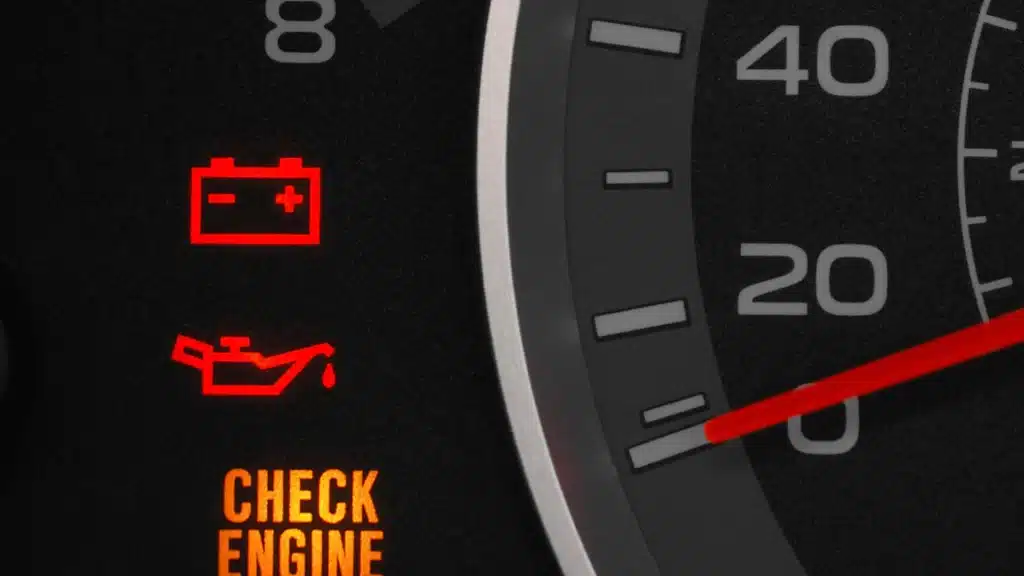
Your check engine light is a critical warning signal indicating a malfunction in your vehicle’s engine or emissions system. Common causes range from a simple loose gas cap which is often the easiest fix to more serious issues like a faulty oxygen sensor, worn spark plugs, or a failing catalytic converter that can ruin fuel efficiency. Other culprits include dirty mass airflow sensors, damaged engine wiring, or computer glitches. In DeSoto, ignoring this light can lead to expensive repairs and safety risks. Understanding these diagnostic codes helps you decide whether to perform a DIY fix or visit a local DeSoto mechanic immediately.
Table of Contents
Why Your Check Engine Light Important?
Your car’s check engine light is a signal that something isn’t right. It is a built-in warning system that alerts you to potential problems in your engine, exhaust system, or other important components. Ignoring this light can lead to further damage or even safety issues on the road. In DeSoto and the surrounding areas, understanding the check engine light is crucial for keeping your vehicle running smoothly while avoiding unexpected breakdowns or high repair costs.
In the following sections, we break down each of the seven reasons behind a stubborn check engine light. We also explain what steps you can take to fix the problem, including when to seek professional help and what you can do yourself.
1. Faulty Oxygen Sensor
What is the Oxygen Sensor?
The oxygen sensor is a small but important part of your vehicle’s engine management system. It monitors the amount of oxygen in your car’s exhaust and sends this information to your car’s computer. The computer then adjusts the air-to-fuel ratio to ensure efficient engine performance and low emissions.
Why It Causes the Check Engine Light to Stay On
When an oxygen sensor malfunctions, it can cause your engine to run inefficiently. This means your vehicle may use more fuel, emit more pollutants, or run rougher than normal. If the sensor sends incorrect information, the computer will trigger the check engine light to warn you of the problem.
How to Fix It
- DIY Check: Look up the sensor location in your owner’s manual and inspect for any visible signs of damage or wear.
- Replacement: Often, replacing the faulty oxygen sensor is the simplest solution. Many auto parts stores carry the right sensor for your model.
- Local Help: If you’re in DeSoto, consider a local auto repair shop that can quickly diagnose and replace the sensor if needed.
User Benefit: By addressing a faulty oxygen sensor promptly, you can save on fuel costs, prevent further engine damage, and keep your car running efficiently.
2. Loose or Faulty Gas Cap
How a Gas Cap Affects Your Car
A loose, damaged, or missing gas cap can cause fuel vapors to escape, which can trigger the check engine light. The gas cap is part of your vehicle’s evaporative emissions system, and it helps maintain the proper pressure in the fuel tank.
Symptoms and Diagnosis
- Check for Damage: If your gas cap is cracked, worn out, or not sealing properly, it can lead to engine light issues.
- Simple Fix: Often, simply tightening or replacing the gas cap can resolve the issue and turn the check engine light off.
Steps to Fix
- Inspection: Open your gas tank and inspect the cap for any signs of wear or damage.
- Replacement: Purchase a replacement gas cap from a trusted retailer.
- Resetting the Light: After replacing the cap, drive for a few days. If the light doesn’t go off, the car’s computer may need to reset itself or further diagnosis may be required.
User Benefit: A quick and inexpensive fix that can avoid unnecessary repair costs and improve your vehicle’s fuel efficiency.
3. Faulty Spark Plugs or Wires
Role of Spark Plugs and Wires
Spark plugs and wires are critical for igniting the air-fuel mixture in your engine’s cylinders. When these components fail, your engine might misfire, which not only affects performance but also sets off the check engine light.
How They Cause the Warning
Worn-out spark plugs or damaged wires lead to incomplete combustion. This inefficiency not only harms your engine’s performance but can also result in higher fuel consumption and increased emissions.
What You Can Do
- Regular Maintenance: Spark plugs typically need replacement every 30,000 to 50,000 miles, depending on your vehicle.
- DIY Inspection: Check your owner’s manual for guidance on locating and inspecting your spark plugs.
- Professional Service: If you’re unsure, local technicians in DeSoto can replace your spark plugs and wires at a fair price.
User Benefit: Replacing spark plugs and wires ensures smooth engine performance, better fuel economy, and reduces the risk of more severe engine problems.
4. Failing Catalytic Converter
Importance of the Catalytic Converter
The catalytic converter helps reduce harmful emissions from your car’s exhaust. It plays a key role in protecting the environment by converting toxic gases into less harmful substances before they exit your vehicle.
What Happens When It Fails
A failing catalytic converter can cause a buildup of harmful emissions, which in turn may trigger the check engine light. Symptoms include reduced engine power, poor fuel economy, and a rotten egg smell from the exhaust.
How to Address the Issue
- Diagnosis: A mechanic can run a diagnostic test to confirm if the catalytic converter is failing.
- Replacement: Replacing the catalytic converter can be costly, but it is crucial for ensuring your vehicle meets emission standards.
- Maintenance Tips: Avoid using low-quality fuel and get regular tune-ups to extend the life of your catalytic converter.
User Benefit: Fixing a failing catalytic converter can improve your car’s performance, reduce fuel consumption, and help you avoid environmental fines.
5. Mass Airflow Sensor Issues
What is the Mass Airflow Sensor?
The mass airflow (MAF) sensor measures the amount of air entering your engine. This information is used to determine how much fuel to inject into the engine for optimal combustion.
Why Problems with the MAF Sensor Cause the Check Engine Light
If the MAF sensor is dirty or malfunctioning, it can send incorrect signals to the engine control unit (ECU). This results in a poor air-to-fuel ratio, causing the engine to run less efficiently and triggering the check engine light.
How to Fix MAF Sensor Problems
- Cleaning: Often, a simple cleaning with a special MAF sensor cleaner can resolve the issue.
- Replacement: If cleaning does not work, you may need to replace the sensor.
- Local Assistance: In DeSoto, many auto repair shops offer quick MAF sensor cleaning and replacement services at competitive rates.
User Benefit: A properly functioning MAF sensor can lead to smoother engine performance, better fuel efficiency, and lower emissions.
6. Faulty Engine Components (Wiring, Sensors, etc.)
Overview of Engine Components
Modern vehicles have many sensors and wiring systems that work together to ensure your engine runs smoothly. Even a small fault in one of these components can trigger the check engine light.
Common Culprits
- Wiring Issues: Damaged or frayed wires can lead to intermittent or false signals.
- Other Sensors: Besides the oxygen and MAF sensors, components like the crankshaft position sensor or the camshaft sensor can also cause problems if they malfunction.
Steps to Resolve
- Professional Diagnosis: It is often best to have a professional run a full diagnostic test to identify any faulty components.
- Repair or Replace: Once identified, repairing or replacing the faulty wiring or sensor is the next step.
- Regular Maintenance: Keeping up with regular vehicle maintenance can help catch these issues before they become major problems.
User Benefit: Correcting faulty engine components not only clears the check engine light but also ensures your car remains safe and reliable for everyday driving.
7. Software or Computer Malfunctions
How Modern Cars Use Software
Today’s vehicles rely heavily on computer systems to manage everything from fuel injection to emission controls. The engine control unit (ECU) constantly monitors sensor data and adjusts the engine’s performance accordingly.
When Software Issues Cause Problems
Sometimes, the check engine light can be triggered by a simple glitch or error in the car’s computer system. These software issues can be resolved without major repairs.
What You Can Do
- Reset the System: In some cases, disconnecting the battery for a short time can reset the computer system.
- Diagnostic Tools: Many auto parts stores offer free diagnostic tests that can help identify whether the problem is software-related.
- Local Service Centers: In DeSoto, skilled technicians can quickly update or reprogram your vehicle’s computer if needed.
User Benefit: Resolving software issues can be a quick fix that prevents unnecessary spending on parts and helps your vehicle run as it should.
Practical Steps for DeSoto Drivers
DIY Checks vs. Professional Help
When your check engine light is on, the first step is to run through a few simple checks. These include:
- Inspecting the gas cap to ensure it is secure.
- Checking for visible damage to sensors like the oxygen sensor or spark plugs.
- Using an OBD-II scanner to read error codes, which can often pinpoint the problem.
If you feel comfortable with DIY fixes, many of these checks can be done at home. However, if you are unsure or if the problem persists, it’s best to seek help from a professional technician in DeSoto.
Finding a Reliable Local Auto Repair Shop
For drivers in DeSoto, it’s important to have a list of trusted auto repair shops that you can rely on. Look for reviews and recommendations for the best auto repair or trusted mechanic in the area. Ask friends or family members for referrals if you’re new to the area.
Regular Maintenance is Key
One of the best ways to avoid a persistent check engine light is to follow your car’s maintenance schedule. Regular tune-ups, timely oil changes, and periodic inspections can help prevent many of the issues described in this article. Not only does this improve your car’s performance, but it also extends its life and saves you money in the long run.
Understanding Your Car’s Diagnostic Codes
What Are Diagnostic Codes?
When the check engine light comes on, your car’s computer stores diagnostic codes that indicate what is wrong. These codes can be read by an OBD-II scanner, a tool available at many auto parts stores or through a professional mechanic.
How to Use Diagnostic Codes to Fix Problems
- Read the Code: A scanner will provide a code like “P0420” or “P0171.” Each code corresponds to a specific issue.
- Research the Code: Look up what the code means online, using search phrases that help you understand your specific problem.
- Follow Recommended Fixes: Many websites offer troubleshooting tips based on the specific code. Always cross-reference to ensure the solution fits your car’s make and model.
User Benefit: Understanding and acting on diagnostic codes can save you time and money, ensuring that you only pay for the repairs you truly need.
Conclusion
A persistent check engine light can be frustrating, but understanding its causes and knowing the steps to take can help you avoid costly repairs and ensure a safer driving experience. This guide on the 7 Reasons Your Check Engine Light Won’t Turn Off offers simple, actionable advice and emphasizes the importance of regular maintenance, proper diagnostics, and timely repairs-especially for drivers in DeSoto.
By addressing issues like faulty oxygen sensors, loose gas caps, spark plug problems, failing catalytic converters, mass airflow sensor malfunctions, faulty engine components, and software glitches, you can maintain optimal vehicle performance. Whether you choose to handle some repairs on your own or consult a trusted mechanic, staying proactive about your car’s condition is the key to long-term success on the road.
In DeSoto, you can expect the repair costs for a check engine light issue to generally range between $100 and $600, with the exact price depending on the specific diagnosis and repair needed.
Thank you for reading this detailed guide. We hope it helps you understand your car’s warning signals and take the right steps to ensure a smoother, safer ride in DeSoto. Stay safe, stay informed, and drive with confidence!
Frequently Asked Questions (FAQ)
Yes, a loose, cracked, or missing gas cap allows fuel vapors to escape, which disrupts the vehicle’s evaporative emissions system and triggers the warning light. Often, simply tightening the cap and driving the vehicle for a few days is enough to reset the pressure and turn the light off without spending money on repairs.
A bad oxygen sensor often leads to rough engine performance, increased emissions, and significantly higher fuel consumption. Mr. Desoto Mobile Mechanic recommends having this sensor inspected immediately if your gas mileage drops, as ignoring it can eventually damage your expensive catalytic converter.
Absolutely; worn-out spark plugs or damaged ignition wires prevent proper combustion, leading to engine misfires that set off the check engine light. Replacing these components every 30,000 to 50,000 miles is essential to prevent poor acceleration and wasted fuel.
Common signs of a failing catalytic converter include a distinct “rotten egg” smell from the exhaust, reduced engine power, and poor fuel economy. Since this component is critical for reducing toxic gases, a failure here will almost always trigger a diagnostic code related to emissions efficiency.
The Mass Airflow (MAF) sensor measures air intake to regulate fuel injection, so dirt or grime can cause it to send false signals that confuse the engine computer. Mr. Desoto Mobile Mechanic often advises that a specialized cleaning of the MAF sensor can resolve the issue and restore smooth idling, avoiding the need for a full part replacement.
Yes, modern vehicles rely heavily on complex software (ECU) that can occasionally experience glitches or errors, triggering a false warning light. In some cases, disconnecting the battery for a short period can reset the system, though a professional scan is the only way to confirm if the issue is purely digital.
You can generally drive briefly if the light is steady, but a flashing light indicates a severe misfire that requires immediate attention. Mr. Desoto Mobile Mechanic warns that continuing to drive with a flashing light can cause catastrophic engine damage, so it is best to pull over and seek diagnostic help right away.
Repair costs for a check engine light in DeSoto typically range between $100 and $600, depending heavily on the specific component involved. While a simple sensor replacement or gas cap fix is on the lower end, replacing a catalytic converter will be significantly more expensive.
You can use an OBD-II scanner, available at auto parts stores, to plug into your dashboard and retrieve codes like “P0420” or “P0171.” These alphanumeric codes identify the specific system—such as the fuel system or ignition—that is malfunctioning, helping you narrow down the necessary repair.
You can visit local repair shops or utilize mobile services for convenience. Mr. Desoto Mobile Mechanic specializes in on-site diagnostics in the DeSoto area, providing professional interpretation of error codes and performing necessary repairs like sensor replacements right at your location.